
Understanding the psychological effects of casinos on decision-making and behavior
The Allure of the Casino Environment
Casinos are designed to captivate and engage their visitors. The vibrant colors, mesmerizing lights, and enticing sounds create a sensory overload that can stimulate excitement and euphoria. This environment is intentionally crafted to keep players inside, prolonging their visit and increasing the likelihood of spending money. cold-bet.games The thrill associated with winning can make the experience addictive, prompting individuals to chase their next win and overlook the potential risks involved.
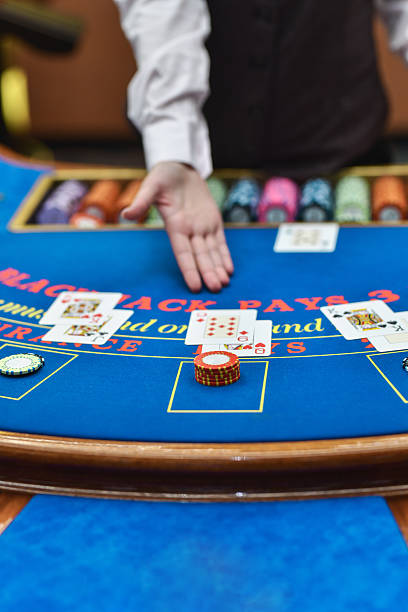
Moreover, casinos often employ strategies such as offering free drinks and complimentary services to further immerse players in the gaming atmosphere. This leads to a detachment from reality, where individuals may make decisions based on emotions rather than rational thought. For example, a player may continue betting despite significant losses, fueled by the hope of a big win that may never come. This emotional investment can cloud judgment and encourage reckless behavior.
The strategic design of casinos also fosters a sense of community and camaraderie among players. This social interaction can reinforce gambling behavior, as individuals may feel compelled to join in or keep up with friends who are winning. Over time, this environment may contribute to the normalization of gambling, making it seem more acceptable and less risky than it truly is, thus impacting individual decision-making significantly.
The Psychology of Risk and Reward
The concept of risk and reward plays a crucial role in the psychology of casino-goers. Individuals are often drawn to the potential for significant financial gains, which can overshadow the very real risks associated with gambling. This phenomenon can be attributed to a cognitive bias known as the “availability heuristic,” where individuals tend to rely on immediate examples that come to mind, such as stories of jackpot winners, rather than considering the broader statistical reality of losing.
This skewed perception can lead to overconfidence in one’s gambling abilities, prompting players to believe they have a better chance of winning than they realistically do. The intermittent reinforcement of small wins can further exacerbate this bias, creating a cycle of continued play. Each small victory serves as a validation of the player’s skills, reinforcing the desire to keep playing, even when faced with significant losses.
The thrill of the gamble often engages the brain’s reward system, releasing neurotransmitters like dopamine. This biochemical reaction creates feelings of pleasure and satisfaction, making the gambling experience highly rewarding, even in the face of loss. As players seek this dopamine hit, they may engage in increasingly risky behavior, blurring the line between responsible play and addiction.
The Impact of Gambling on Decision-Making
The decision-making process in a casino context can be heavily influenced by emotional and psychological factors. Players often rely on their emotions rather than logical reasoning when placing bets or making gambling-related choices. This emotional reasoning can lead to impulsive decisions, where individuals may wager more than they intended or chase losses in a bid to recoup their funds.
The phenomenon of “loss aversion” plays a significant role in this behavior. Loss aversion refers to the tendency to prefer avoiding losses over acquiring equivalent gains. This bias can lead players to irrationally hold onto their bets, hoping for a reversal of fortune rather than making calculated decisions based on their financial situation. For instance, a player might continue to gamble in the hopes of recouping a loss, rather than recognizing when it’s time to walk away.
Additionally, the presence of near-misses—situations where a player almost wins—can distort decision-making further. Near-misses can trigger the same dopamine response as actual wins, creating an illusion of control and leading players to believe they are “due” for a win. This misperception can encourage continued gambling behavior, even when the odds are clearly stacked against them.
The Role of Cognitive Biases in Gambling Behavior
Cognitive biases significantly shape the gambling experience by distorting perceptions and influencing decision-making processes. For instance, the “gambler’s fallacy” is a common misconception among players who believe that past events affect future outcomes. A player might think that a particular slot machine is “due” for a payout after a series of losses, leading to illogical betting patterns and increased spending.
Another bias, known as “confirmation bias,” leads gamblers to focus on information that supports their beliefs while ignoring evidence that contradicts them. This means that players are more likely to remember their wins and overlook their losses, reinforcing a false sense of security. This skewed perception can lead to increased playtime and financial loss as individuals cling to their beliefs about their luck or skill.
The social aspect of gambling can also introduce biases that affect decision-making. Groupthink can emerge in casino environments, where individuals conform to the views of their peers rather than relying on their judgment. This collective mindset can lead to poor financial decisions, as players may feel pressured to keep gambling despite personal reservations. The desire for social acceptance can overshadow logical thinking, resulting in behavior that is detrimental to their financial health.

Exploring Responsible Gaming at Coldbet Online
Coldbet Online recognizes the importance of responsible gaming and the psychological effects that casinos can have on players. The platform offers various resources aimed at promoting responsible behavior, such as setting deposit limits, self-exclusion options, and access to support services for players who may be struggling with gambling addiction. These tools empower individuals to take control of their gambling habits, helping to mitigate the psychological effects associated with excessive play.
With a user-friendly interface and a diverse range of games, Coldbet Online aims to provide a fun and exciting gaming experience while prioritizing player well-being. The site encourages players to approach gambling as a form of entertainment rather than a means of income. By fostering a healthy attitude towards gaming, Coldbet seeks to enhance enjoyment while minimizing the risk of negative psychological impacts.
Ultimately, understanding the psychological effects of casinos on decision-making and behavior is crucial for creating a safer gaming environment. Coldbet Online is committed to this mission, ensuring that players can enjoy their gaming experience responsibly while being aware of the potential challenges they may face.
https://shorturl.fm/2GStz